The Chip War in Your Pocket: How ARM and x86 Are Quietly Erasing the Line Between Your Phone and Your Laptop
For most of the past two decades, there was a clean mental model consumers could use when thinking about computing power. Your phone had a mobile chip — efficient, capable, but fundamentally limited. Your laptop or desktop ran an Intel or AMD x86 processor — powerful, power-hungry, and built for "real" computing. The two worlds didn't really overlap. That mental model is now basically broken, and the pace at which it's unraveling should change how you think about every portable device you buy going forward.
A Quick Primer: What ARM and x86 Actually Mean
Before we get into the implications, it's worth making sure we're speaking the same language — because this stuff gets technical fast, and a lot of tech coverage buries the lead under jargon.
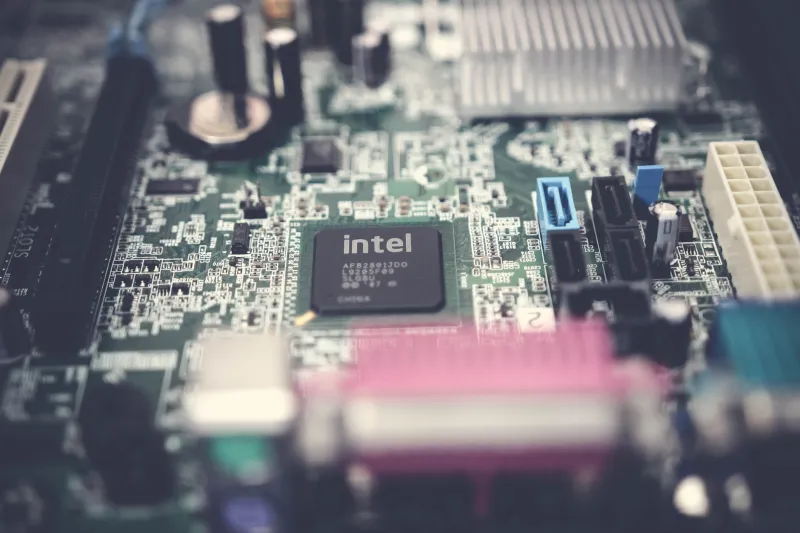
x86 is the processor architecture that Intel pioneered and AMD later licensed and extended. It's been the backbone of personal computing since the early 1980s. x86 chips are powerful and handle an enormous range of software, but they were designed in an era when power efficiency wasn't a primary concern. They're workhorses built for desks and outlets.
ARM (originally developed by Acorn Computers in the UK, now owned by the Japanese conglomerate SoftBank) takes a different approach. ARM chips use a Reduced Instruction Set Computing (RISC) design philosophy — they do fewer things per clock cycle, but they do them very efficiently. This makes ARM chips phenomenal for battery-powered devices. Virtually every smartphone processor — Apple's A-series and M-series chips, Qualcomm's Snapdragon line, Samsung's Exynos — is built on ARM architecture.
For years, the tradeoff was simple: x86 for power, ARM for efficiency. That tradeoff is disappearing.
Apple Broke the Dam
The clearest signal that something fundamental had shifted came in late 2020, when Apple announced it was ditching Intel processors in its Macs in favor of its own ARM-based M1 chip. The tech press was skeptical. The benchmarks were not.
The M1 didn't just match Intel's performance in many tasks — it demolished it while using a fraction of the power. MacBook Pros were suddenly getting 15-plus hours of real-world battery life while outrunning machines that cost twice as much. The M-series chips have only gotten more impressive since then, with the M4 now powering everything from the iPad Pro to the MacBook Pro.
The significance here isn't just about Apple products. It was proof of concept for the entire industry: ARM architecture, when executed well, could compete with and surpass x86 in workloads that previously required a "real" computer. The wall between mobile and desktop computing had a very large crack in it.
Qualcomm's Snapdragon X Elite Is the Next Domino
Apple's advantage for years was vertical integration — they design both the chips and the operating system, which lets them optimize in ways that third-party chip makers can't easily replicate. But Qualcomm's Snapdragon X Elite, which started appearing in Windows laptops in 2024, is a serious attempt to bring that same ARM-powered efficiency to the broader PC ecosystem.
Early benchmarks on Snapdragon X Elite machines are genuinely impressive. Battery life on some Copilot+ PCs has pushed past 20 hours in real-world use — numbers that were simply unimaginable on x86 hardware. Performance on native ARM applications is competitive with Apple's M3 chips, which is remarkable.
The catch — and it's a real one — is software compatibility. Windows on ARM has historically struggled with running legacy x86 applications, which make up a huge portion of the software ecosystem that enterprise and power users rely on. Microsoft's emulation layer has improved significantly, but it's still not seamless. For everyday users running Office, Chrome, and streaming apps, it's essentially a non-issue. For developers, video editors, or anyone running specialized software, it can still be a friction point.
What This Means for Your Phone
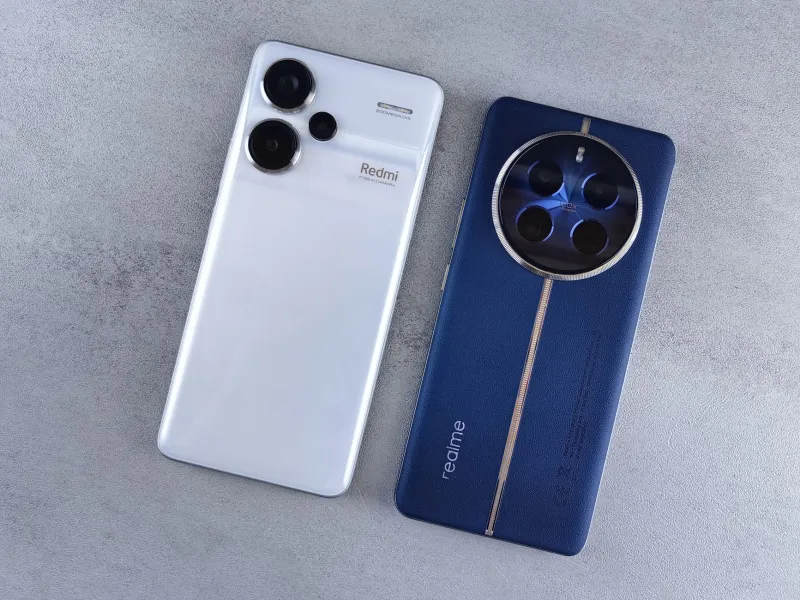
Here's where things get genuinely interesting from a portable tech standpoint. The latest flagship Android processors — Qualcomm's Snapdragon 8 Gen 3, Samsung's Exynos 2400, and MediaTek's Dimensity 9300 — are performing tasks that would have required a laptop just three or four years ago.
Real-time on-device AI processing, console-quality gaming, 8K video capture and editing, running multiple high-resolution displays — these aren't theoretical capabilities anymore. They're happening on devices that fit in your jeans pocket.
Samsung's DeX mode, which lets you plug a Galaxy flagship into a monitor and use it like a desktop computer, is a working demonstration of this reality. It's not perfect, and it hasn't gone mainstream, but the underlying capability is there. Your phone might already be more powerful than the laptop you bought three years ago.
The Upgrade Cycle Question
This is where I'll get a little opinionated, because I think the industry hasn't been honest with consumers about what this architectural shift actually means for buying decisions.
The traditional upgrade logic — buy a new phone every two to three years, buy a new laptop every four to five years, treat them as completely separate purchase decisions — no longer reflects the underlying hardware reality. When your phone's chip is architecturally similar to your laptop's chip and closing the performance gap rapidly, you should be asking harder questions.
Do you actually need both a flagship phone and a premium laptop, or is one of them redundant for your use case? If you're primarily doing web browsing, document work, video calls, and media consumption, a $1,000 laptop purchase might make a lot less sense when your $800 phone can handle all of that — and fits in your pocket.
Conversely, if you're a power user who needs serious compute performance on the go, the new ARM-based laptops deserve serious consideration over the x86 machines you've been defaulting to for decades.
The Bottom Line: Think Ecosystem, Not Categories
The practical takeaway here isn't that phones are replacing laptops or that x86 is dead. It's that the old hardware categories are becoming less meaningful as a framework for making purchase decisions.
When you're thinking about your next portable tech upgrade, the smarter question isn't "which phone should I get" or "which laptop should I get" — it's "what does my portable computing ecosystem actually need to do, and what combination of devices covers that most efficiently?"
The ARM revolution is real, it's happening fast, and it's going to keep blurring the lines between the devices in your bag. The consumers who understand that are going to make much smarter buying decisions than those still thinking in the old categories. Your pocket is more powerful than you probably realize — and it's only getting more so.