How the Handheld PC Boom Is Quietly Dismantling the Upgrade Treadmill
For decades, the consumer tech industry ran a pretty comfortable playbook. Release a device, lock down the repair ecosystem, push a software update that quietly kneecaps older hardware, and watch the upgrade dollars roll in right on schedule. It worked beautifully — until pocket PCs started making a serious comeback, and the people buying them turned out to be a very different kind of consumer.
They're tinkerers. They're modders. They're the kind of people who'd rather spend a Saturday afternoon replacing thermal paste than drop $600 on a new device. And increasingly, they're winning.
The Repair Economy Wakes Up
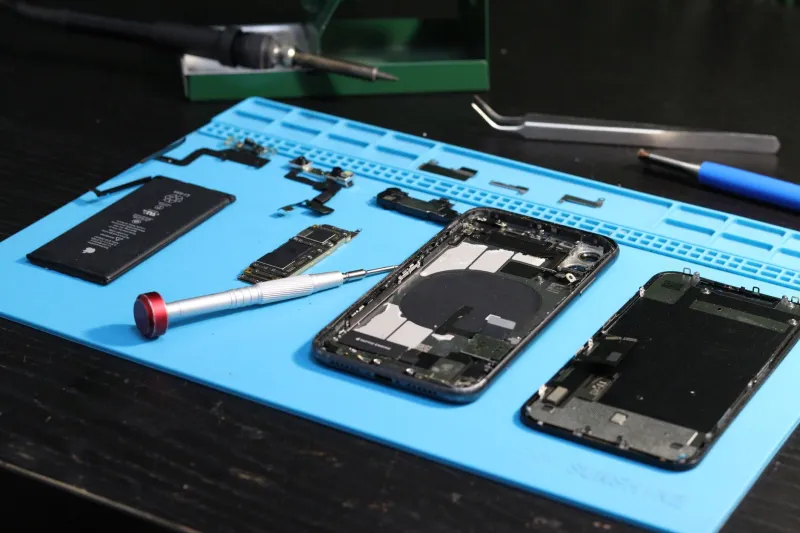
Walk into any serious repair shop in a mid-sized American city right now and you'll notice something interesting: a growing pile of gaming handhelds and Windows-on-ARM pocket computers sitting next to the usual parade of cracked iPhone screens. Technicians who spent years servicing laptops and smartphones are now learning the quirks of devices they barely knew existed two years ago.
"We've had customers bring in handhelds that are three, four years old asking us to basically rebuild them," says Marcus Webb, a repair tech at a shop in Austin, Texas, who asked that his employer not be named due to manufacturer warranty concerns. "New battery, fresh thermal solution, maybe an SSD swap. They walk out with a device that performs better than it did out of the box, and they spent maybe $80 to do it."
That $80 fix is exactly what manufacturers don't want you thinking about when the newest model drops.
The x86-based handheld market in particular has become a haven for this kind of long-term ownership mentality. Because many of these devices run full Windows and use standard PC components, they're inherently more serviceable than the locked-down ARM ecosystems that dominate smartphones. Swap the storage, upgrade the RAM where the design allows it, repaste the CPU — suddenly a two-year-old handheld is competitive again.
Software Support Is the New Battlefield
Hardware longevity is only half the story. The other half is software, and that's where things get genuinely contentious.
Manufacturers have long used software support windows as a polite way of forcing upgrades. Once official updates dry up, security vulnerabilities pile up, apps start refusing to run, and the device becomes a liability rather than an asset. It's a strategy that worked well in the smartphone era, where consumers accepted two or three years of updates as the norm.
The pocket PC crowd isn't playing along. Because Windows-on-ARM devices and x86 handhelds run full desktop operating systems, they inherit Microsoft's considerably longer support timelines. A handheld running Windows 11 today will receive security patches well into the late 2020s. And where official support does eventually lapse, the modding community fills the gap with custom firmware, unofficial drivers, and community-maintained software packages.
RetroArch, Playnite, and dozens of other open-source projects have become essential tools for extending the functional life of aging handhelds. Online communities dedicated to specific devices maintain wikis, driver repositories, and troubleshooting guides that rival anything an official support page ever offered.
"Manufacturers hate that there's an entire parallel support structure that doesn't involve them," notes one developer who contributes to several handheld-focused open-source projects and asked to remain anonymous. "When your device has a thriving community, you don't need the company anymore. That's a problem for their business model."
The Industry Pushes Back
Of course, manufacturers aren't sitting still. The pushback takes several forms, some subtle and some not.
Warranty language has become increasingly aggressive, with some companies explicitly voiding coverage for devices that show signs of third-party repair — even when those repairs involve nothing more than a battery replacement. Proprietary screw heads, adhesive-heavy construction, and components soldered directly to the board have all made appearances in otherwise promising handheld designs.
Software is another lever. Firmware updates that introduce new features sometimes quietly change thermal management profiles in ways that throttle older hardware. It's difficult to prove intent, and manufacturers can always claim the changes are necessary optimizations, but the pattern is familiar to anyone who's followed the smartphone industry's history with performance management.
Some companies have also begun tightening their grip on accessories and peripherals, introducing proprietary connectors or authentication chips that prevent third-party docks and controllers from functioning fully. It's the same playbook Apple refined with the MFi program, applied to the handheld space.
Why This Time Feels Different
Despite the headwinds, there's reason to believe the repair and longevity movement has more staying power in the pocket PC space than it ever did in smartphones.
Part of it is the customer base. People who spend real money on a capable handheld or Windows-on-ARM device tend to be more technically literate and more resistant to artificial obsolescence than the average smartphone upgrader. They read teardowns, they follow iFixit scores, and they vote with their wallets when a manufacturer makes a device deliberately difficult to service.
The Right to Repair movement has also made meaningful legislative progress at the state level across the US, creating real legal pressure on manufacturers to provide parts and documentation. While enforcement remains inconsistent, the direction of travel is clear.
And perhaps most importantly, the economics simply work out differently for pocket PCs. When a device can genuinely run demanding software for four or five years with proper maintenance, the value proposition of upgrading every eighteen months becomes much harder to justify — especially at price points that regularly push past $700.
Manufacturers built the pocket PC revival on the promise of serious, capable hardware. They may not have anticipated that serious, capable users would take that promise at face value and refuse to let go of their devices. The upgrade treadmill that sustained the industry for a generation is wobbling, and the people pushing it off balance are the same ones who made the handheld renaissance possible in the first place.