Pocketable and Powerful: How 2025 Finally Made Carry-Everywhere Computing a Reality
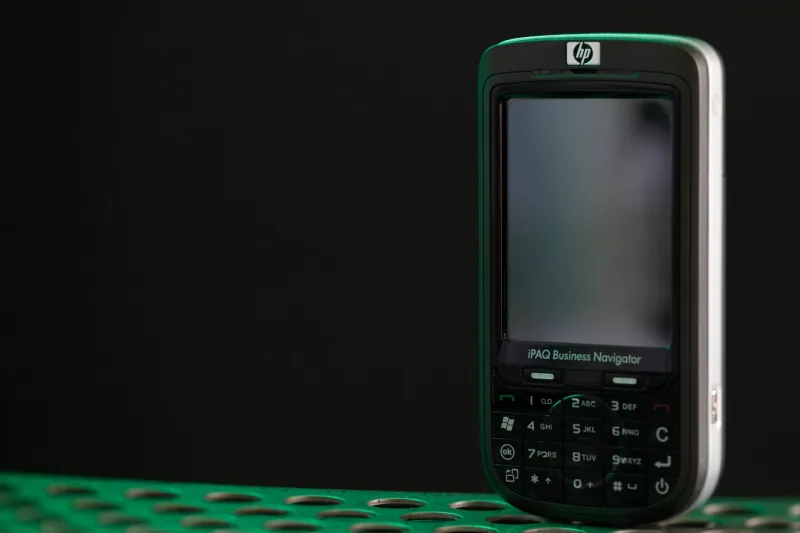
We've heard this pitch before. Every few years, someone in a pressed shirt steps onto a stage and tells us the future of computing fits in your hand. Then reality sets in — the battery dies by noon, the software stutters when you open more than two apps, or the thing runs so hot you could fry an egg on the back panel. We've been burned enough times to be skeptical.
But something genuinely different is happening right now, and if you've been sleeping on the compact device space, 2025 might be the year you wake up and pay attention.
The Chip Story Nobody's Telling Loudly Enough
The single biggest reason pocketable computing has struggled historically isn't software, it isn't form factor, and it isn't price. It's silicon. Specifically, it's the brutal tradeoff between performance and thermal output that has plagued small devices for over a decade.
That tradeoff is finally, meaningfully, shrinking.
The latest generation of ARM-based chips — think Qualcomm's Snapdragon X series derivatives and Apple's continued refinements to its mobile silicon — are delivering desktop-class workloads at power envelopes that don't require a cooling fan the size of a hockey puck. Meanwhile, the x86 handheld space has seen AMD's Ryzen line push into genuinely efficient territory, giving devices like the latest handheld gaming PCs the headroom to run productivity software without throttling into the ground after fifteen minutes.
What this means practically: a device that fits in a jacket pocket can now sustain real workloads — not just light browsing and email, but video editing timelines, code compilation, and multi-tab research sessions — without cooking itself or dying before you finish your Amtrak commute.
Talking to the People Actually Using These Things
We reached out to a handful of early adopters who've been living with compact computing devices as their primary machines, and the feedback was surprisingly consistent.
Marcus, a freelance web developer based in Austin, switched to a handheld x86 device paired with a foldable Bluetooth keyboard setup about eight months ago. "I was honestly expecting to go back to my laptop within a week," he told us. "But the thing is, the bottleneck was never really the hardware. It was the software catching up to the idea that you'd want a full desktop OS on something this small."
That software piece matters enormously. Windows 11's continued refinement of touch and stylus input, combined with the proliferation of genuinely good remote desktop and cloud-streaming options, means the gap between "mobile app" and "full application" has narrowed to the point where many users simply don't feel it day to day.
Jessica, a graduate student in Chicago who studies urban planning, put it differently: "I used to carry a laptop everywhere because I needed GIS software and large spreadsheets. Now I just don't. The device I have now handles both, and I'm not destroying my back on the L train."
The Market Is Starting to Notice
For years, compact computing devices were enthusiast territory — the kind of thing you'd find discussed in niche forums and imported from overseas retailers. The mainstream market simply wasn't there.
That's shifting. Analysts tracking the handheld PC segment are noting growth that looks less like a hobbyist spike and more like a sustained category expansion. Major US retailers are starting to stock devices that would've been special-order items two years ago. And perhaps more tellingly, the software ecosystem is responding: developers who previously ignored handheld form factors are now actively optimizing for them.
This is the classic chicken-and-egg problem finally breaking open. More users create demand for better software support, which attracts more users. We've watched this cycle play out with tablets (slowly, messily), and it looks like it's beginning in earnest for the pocketable PC category.
What's Still Holding Things Back
Let's be honest, because that's kind of our thing here at PocketPC Techs — this category isn't perfect yet.
Battery life remains the most persistent frustration. Yes, chips are more efficient. Yes, software has gotten smarter about power management. But cram a powerful processor into a small chassis with a necessarily small battery, and you're still looking at screen-on times that'll make laptop users wince. Most users in this space have made peace with carrying a compact power bank as part of their everyday carry. That's a workaround, not a solution.
The display situation is also genuinely complicated. Screens on these devices have gotten sharper and brighter, but the physical size constraint means you're either squinting at a small panel or relying heavily on external monitors — which somewhat undermines the whole "carry it everywhere" proposition.
And software compatibility, while dramatically improved, still has rough edges. Some legacy Windows applications simply behave strangely on small touch-first screens. Certain professional tools haven't been updated with this form factor in mind. It's getting better, but "getting better" and "fully solved" aren't the same thing.
Why This Time Actually Feels Different
Here's the thing about every previous "mobile computing revolution" that fizzled: the hardware arrived before everything else was ready. The software wasn't there. The ecosystem wasn't there. The users weren't there.
In 2025, those pieces are arriving together rather than sequentially. The chips are capable. The software is adapting in real time. A genuine user base — not just hardcore enthusiasts, but professionals, students, and everyday people who just want a capable machine that fits in their pocket — is forming around these devices.
Is this the moment compact computing goes fully mainstream? Probably not yet. The price points are still high enough to give most consumers pause, and the category still lacks the kind of killer consumer-facing marketing that would bring it to a mass audience.
But for the first time in a long time, the argument for carrying a pocketable powerhouse as your primary computing device isn't a faith-based exercise. It's a practical one. And that's a genuinely new sentence to be able to write.