x86 Handhelds Are Back and They Mean Business: Here's Why You Should Pay Attention
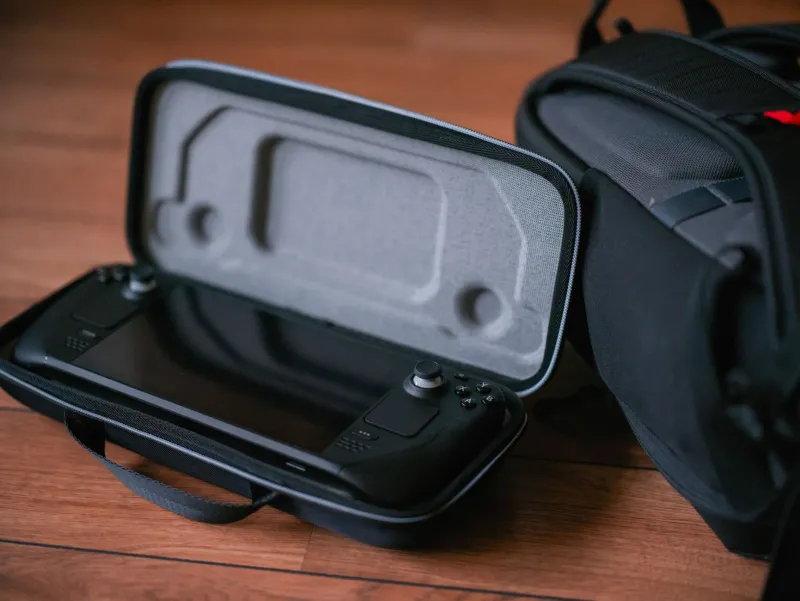
For the better part of the last decade, the conversation around portable computing has been dominated by one word: ARM. Apple's M-series chips turned heads. Qualcomm's Snapdragon X Elite grabbed headlines. And every tech pundit worth their podcast was ready to write the obituary for x86 in anything smaller than a full-sized laptop. Then the Valve Steam Deck landed on doorsteps across America, and suddenly that obituary needed a serious rewrite.
We're living through a quiet renaissance in handheld computing, and it's being driven by an architecture most people had written off as too hot, too hungry, and too old-school for the pocket-PC era. Spoiler: they were wrong.
Wait, Didn't We Already Do This?
If you're old enough to remember the original Pocket PC era — think early 2000s Windows CE devices and the ill-fated Origami project — the idea of x86 in a handheld probably triggers some bad flashbacks. Those machines were underpowered, overheated, and chewed through batteries like a kid at Halloween. The dream was real; the execution was rough.
But that was then. Today's AMD Ryzen Z1 and Z1 Extreme chips — the silicon powering the Asus ROG Ally and its successor, the ROG Ally X — are a completely different animal. Built on a 4nm process and packing RDNA 3 graphics alongside Zen 4 CPU cores, these processors deliver desktop-class gaming performance in a device you can hold in two hands. That's not marketing fluff. That's a genuine architectural leap that took years of refinement to pull off.
Valve got there first with the Steam Deck's custom AMD APU, but the ROG Ally and the growing crop of Windows-based handhelds have pushed the concept into mainstream retail territory. You can walk into a Best Buy and pick one up. That matters.
The Performance Story Nobody Expected
Here's where things get genuinely interesting for portable computing fans. The Asus ROG Ally X, running the Ryzen Z1 Extreme, can handle games like Cyberpunk 2077 and Elden Ring at playable frame rates — not on low settings with aggressive upscaling, but at medium-to-high presets using AMD's FSR technology. For context, that's performance territory that would have required a dedicated gaming laptop just three years ago.
More importantly for the pocket-PC crowd, these devices run full Windows 11. Not a mobile skin. Not a locked-down OS. The actual desktop operating system, which means you can install anything — productivity apps, creative software, emulators, legacy programs your ARM device can't touch without jumping through compatibility hoops. That's a huge deal if you've ever tried to run specialized software on an iPad or a Chromebook and hit a wall.
The Steam Deck leans into its Linux-based SteamOS, which has its own advantages: better battery optimization, a more polished handheld UI, and Valve's ongoing commitment to Proton compatibility for running Windows games. If gaming is your primary use case, the Deck's software experience is arguably more refined. But if you want the flexibility of a full PC in your hands, the Windows-based handhelds win that argument by a mile.
The Battery Trade-Off Is Real — But It's Not a Dealbreaker
Let's not sugarcoat it: x86 still has a power consumption problem compared to ARM. The ROG Ally X ships with a 80Wh battery, which sounds generous until you're running a demanding game at full performance mode and watching that percentage drop faster than your Wi-Fi signal at a stadium. Heavy gaming loads can drain the battery in under two hours. That's a real limitation for travel.
But here's the nuance that often gets lost in the ARM vs. x86 debate: these devices aren't just gaming machines. Drop the TDP (thermal design power) settings, switch to a lighter workload, and battery life improves dramatically. Using the ROG Ally X for streaming, browsing, or light productivity work? You're looking at four to five hours, which is competitive with plenty of ARM-based tablets in a similar price range.
Valve has done a particularly smart job with the Steam Deck's power management, offering granular control over frame rate caps and TDP limits that let users dial in their own balance between performance and endurance. It's the kind of user-level control that enthusiasts love, even if it comes with a learning curve.
Why This Matters for Portable Computing in 2025
The bigger picture here isn't just about gaming. It's about what these devices represent for the future of pocket PCs as a category.
For years, the portable computing space has been bifurcated: you had ARM-based devices optimized for efficiency (phones, tablets, Chromebooks) and x86 laptops optimized for power. The handheld gaming PC is collapsing that divide in a way nobody really anticipated. These are devices that can game, work, and serve as full PC replacements — all in a form factor that fits in a large jacket pocket or a small backpack.
Lenovo's Legion Go, GPD's Win 4, and AOKZOE's lineup are all pushing the same envelope. The market is fragmenting in interesting ways, with different manufacturers betting on different screen sizes, control layouts, and performance tiers. That competition is healthy. It's driving innovation at a pace the category hasn't seen since the early smartphone wars.
And with AMD reportedly working on next-generation APUs specifically designed for handheld use cases, the efficiency gap between x86 and ARM is going to keep shrinking. Microsoft's investment in Windows optimization for small-screen, controller-based interfaces is slowly improving the software side of the equation too — though there's still plenty of work left to do there.
Should You Actually Buy One?
If you're a gamer who wants a portable device that plays your existing Steam library without compromise, the answer is pretty straightforwardly yes — the Steam Deck or ROG Ally X will change how you think about gaming on the go. The entry-level Steam Deck LCD at $399 remains one of the best value propositions in portable tech, full stop.
If you're a productivity-focused user who's been frustrated by the software limitations of ARM-based tablets or the weight of a full laptop, a Windows handheld deserves a serious look. The ability to run your full desktop workflow — including legacy apps, local development environments, or specialized tools — in a one-pound device is genuinely compelling.
The trade-offs are real: battery life requires management, Windows on a small screen still has rough edges, and these aren't cheap devices. But the technology has matured to a point where the compromises feel acceptable rather than deal-breaking.
The pocket PC renaissance is here. It just arrived wearing a gaming controller instead of a stylus.